


Dark spots got you down? Whether they’re from too much sun, hormones gone wild, or that pimple you shouldn’t have popped, hyperpigmentation is one of the most common skin concerns women face. The good news? You don’t need to drain your bank account to see results.
Understanding Hyperpigmentation: Know Your Enemy
Before diving into solutions, let’s get clear on what we’re fighting. Hyperpigmentation happens when patches of skin produce more melanin than surrounding areas.
The main culprits include: 

- Sun spots/age spots: Thanks to UV exposure (yes, that beach vacation from five years ago is still showing up on your face)
- Melasma: Often triggered by hormones and worsened by sun exposure
- Post-inflammatory hyperpigmentation (PIH): The aftermath of acne, eczema, or skin injuries
Dr. Michelle Henry, board-certified dermatologist, explains that “understanding the specific type of hyperpigmentation you have is crucial for effective treatment.”
The Ingredients That Actually Work
When searching for effective hyperpigmentation treatments, focus on these research-backed ingredients:
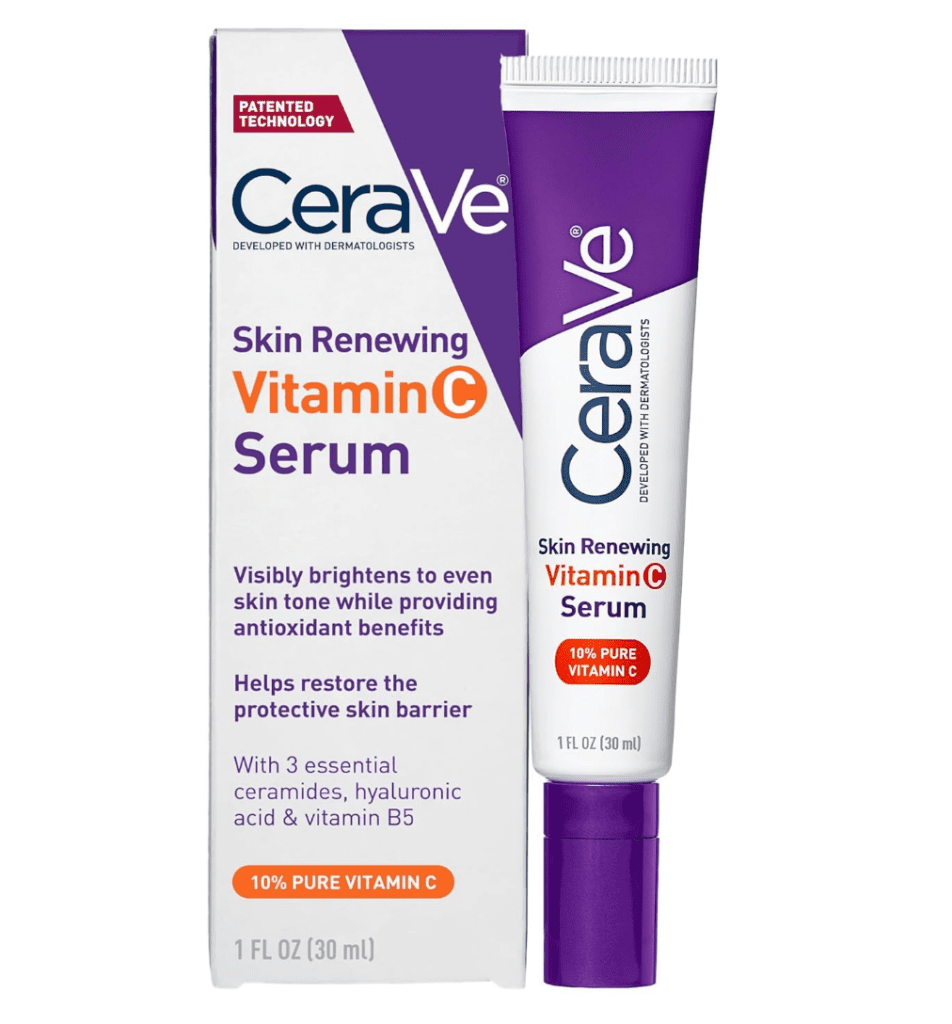
1. Vitamin C
- What it does: Brightens skin, interrupts melanin production, provides antioxidant protection
- Best for: All types of hyperpigmentation, especially sun damage
- Time to results: 4-12 weeks


2. Niacinamide (Vitamin B3)
- What it does: Reduces pigment transfer, strengthens skin barrier, anti-inflammatory
- Best for: Post-inflammatory hyperpigmentation, melasma
- Time to results: 4-8 weeks


3. Alpha Arbutin
- What it does: Prevents melanin formation, gentler than hydroquinone
- Best for: All types of hyperpigmentation
- Time to results: 8-12 weeks


4. Tranexamic Acid
- What it does: Blocks inflammatory pathways that trigger pigmentation
- Best for: Stubborn melasma, resistant dark spots
- Time to results: 8-12 weeks


5. AHAs & BHAs (Glycolic, Lactic, Salicylic Acids)
- What it does: Exfoliates to remove pigmented cells, improves penetration of other ingredients
- Best for: Surface-level discoloration, post-inflammatory hyperpigmentation
- Time to results: 2-8 weeks


6. Retinoids
- What it does: Speeds cell turnover, fades existing spots, prevents new pigmentation
- Best for: All types, but especially beneficial for stubborn sun damage
- Time to results: 12+ weeks


According to Dr. Ranella Hirsch, board-certified dermatologist, “Consistency trumps price point when treating hyperpigmentation. The most expensive product won’t work if you don’t use it regularly.”
Expert Advice for Specific Types of Hyperpigmentation
For Sun Spots/Age Spots: “Vitamin C is your first line of defense, paired with exfoliation using AHAs like glycolic acid. Consistent use of high-quality sunscreen is non-negotiable, or those spots will return regardless of treatment.” — Dr. Corey L. Hartman
For Melasma: “Melasma requires a multi-pronged approach. Tranexamic acid has been a game-changer for many of my patients with resistant melasma. Combine with niacinamide and religious sun protection.”
For Post-Inflammatory Hyperpigmentation (PIH): “The key is catching it early. For fresh marks, focus on calming inflammation first, then treating with gentle exfoliation and brightening ingredients.”
Timeline: What to Expect When
Finding effective hyperpigmentation treatments requires patience. Here’s a realistic timeline:
Weeks 1-4:
- Reduced inflammation
- Improved overall skin texture and radiance
- Minimal change in stubborn dark spots
Weeks 4-8:
- Newer dark spots beginning to fade
- Overall skin tone looking more even
- Initial fading of older hyperpigmentation
Weeks 8-12:
- Significant fading of recent dark spots
- Noticeable improvement in most hyperpigmentation
- Reduced contrast between dark spots and normal skin
12+ Weeks:
- Continuous improvement in stubborn areas
- Maintenance phase begins for resolved areas
Remember that melasma can be particularly stubborn, often requiring 6+ months of consistent treatment for significant results.
The Non-Negotiables for ANY Routine
No matter which products you choose, these steps are essential:
- Daily sunscreen (SPF 30+, broad-spectrum, reapplied every 2 hours when outdoors)
- Consistency in your treatment routine
- Patience – hyperpigmentation wasn’t created overnight and won’t disappear that way either
Dr. Shereene Idriss emphasizes: “No brightening product will outperform the damage from skipping sunscreen. The most effective hyperpigmentation treatment is preventative.”