





Finding peace in your space doesn’t have to be overwhelming. Our comprehensive guide shows you how to declutter your home for better mental health with simple, actionable steps anyone can follow.
We all know that feeling. You walk into your home after a long day, hoping for a peaceful sanctuary, but instead find yourself surrounded by piles of stuff that seem to multiply overnight. If you’re nodding in agreement, you’re not alone.
“Our physical spaces reflect and affect our mental spaces,” says Marie Kondo, organizing consultant and author of “The Life-Changing Magic of Tidying Up.” Her philosophy centers on keeping only items that “spark joy” – a simple but powerful approach to creating a more peaceful home. 


The Mind-Space Connection
The link between cluttered spaces and stressed minds isn’t just anecdotal. Research shows that living in messy environments can increase cortisol levels – your body’s main stress hormone.
Jennifer, a marketing executive and mother of two, experienced this firsthand: “Before I tackled my decluttering journey, I couldn’t relax anywhere in my house. My mind was always racing with all the things I needed to organize.” Now, she dedicates 15 minutes each day to maintaining order. “Those few minutes save me hours of mental stress.”
When you declutter your home, you’re not just cleaning up – you’re creating space for calm in your life.
Start Small, Think Big
The biggest mistake most people make? Trying to transform their entire home in one weekend.
“Begin with spaces that cause you the most stress,” advises organizational psychologist Dr. Susan Murphy. “When you see progress in one area, it motivates you to continue elsewhere.”
Try these starter spots:
- Your nightstand – Make your bedroom a true sleep sanctuary
- The kitchen counter – Clear cooking spaces reduce mealtime stress
- Your entryway – Create a peaceful transition between outside and home
Rebecca, an elementary school teacher and single mom, started with her car. “It sounds strange, but my cluttered car set the tone for my entire day. Now it’s my peaceful space before and after work.”
The 4-Box Method
When tackling decluttering, use this simple system:
- Keep – Items you use and love
- Donate – Good condition but not serving you
- Trash – Broken or unusable items
- Decide Later – For things you’re unsure about (but set a deadline!)
“The decide later box should be small,” says professional organizer Clea Shearer, co-founder of The Home Edit. “Otherwise, you’re just moving clutter around rather than addressing it.”


Digital Decluttering Matters Too
Your physical space isn’t the only environment affecting your wellbeing. Digital clutter can be just as stressful.
Michelle, a graphic designer and mother of three, noticed her anxiety spike whenever she opened her laptop. “I had thousands of files cluttering my desktop and notifications constantly pinging,” she explains. “Cleaning up my digital space improved my focus and reduced my tech anxiety.”
Try these digital decluttering steps:
- Delete unused apps from your phone
- Clear your email inbox with folders
- Organize your computer desktop
- Turn off unnecessary notifications
Maintain Your Progress
The key to lasting results is creating sustainable habits.
“It’s not about perfection – it’s about progress,” says Gretchen Rubin, happiness researcher and author of “Outer Order, Inner Calm.” She recommends the one-minute rule: if something takes less than a minute to put away, do it immediately.
Other helpful maintenance tips:
- Keep a donation bag in your closet
- Process mail immediately
- Do a 10-minute pickup before bed
- Follow the “one in, one out” rule for new purchases


Addressing Emotional Attachments
Sometimes the hardest items to part with carry emotional weight. Photos, gifts, family heirlooms – these can be the biggest decluttering challenges.
Sarah, an accountant and mother of four, struggled with her children’s artwork. “I felt guilty throwing away anything they made,” she admits. Her solution? “I photograph special pieces, keep a small selection in a keepsake box, and let go of the rest.”
For sentimental items, ask yourself:
- Does this bring me joy or stress?
- Would the memory remain without the item?
- Could someone else benefit from this more than me?


Creating Systems That Work For You
When decluttering, remember that personalization matters. Your organization system should match your lifestyle and needs.
“What works for one person might not work for another,” explains professional organizer Peter Walsh. “The best system is one you’ll actually maintain.”
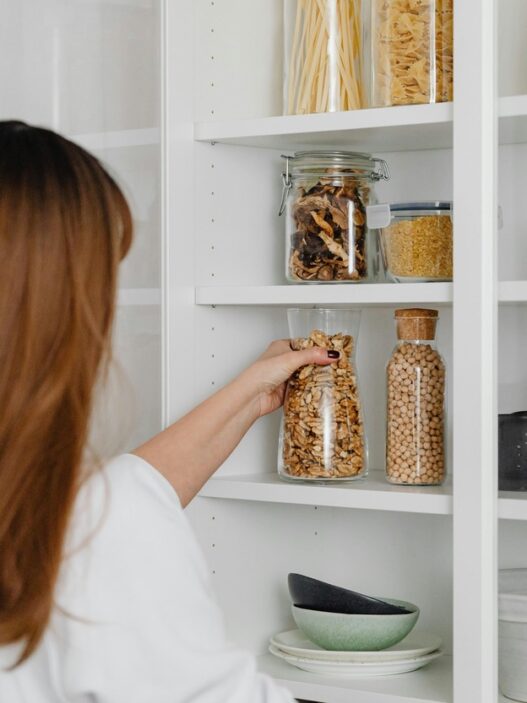
Consider your natural tendencies. Are you visual? Use clear containers. Forget where things go? Try labels. Short on time? Create drop zones for quick cleanup.
The Benefits Beyond Order
The rewards of decluttering extend far beyond a tidy home:
- Better sleep quality
- Reduced anxiety
- Improved focus
- More quality time with family
- Increased productivity
- Lower stress levels
“When my surroundings are in order, my thoughts become clearer too,” says cognitive behavioral therapist Dr. David Burns. “Our external environments can significantly impact our internal states.”
Your Decluttering Journey Starts Now
Remember that decluttering your home for better mental health is a process, not a one-time event. Be patient with yourself as you create new habits and systems.
Start today with just 15 minutes in one small area. Notice how it feels to have that space organized. Let that feeling motivate your next step.
Your future self – calmer, more focused, and surrounded by things you truly value – will thank you.